
About Us
Mohamed Nemar Abuadas Establishment is a pioneering leader in hydraulic maintenance and services in Saudi Arabia, headquartered in Riyadh.
Mohamed Nemar Abuadas Establishment is a pioneering leader in hydraulic maintenance and services in Saudi Arabia, headquartered in Riyadh.

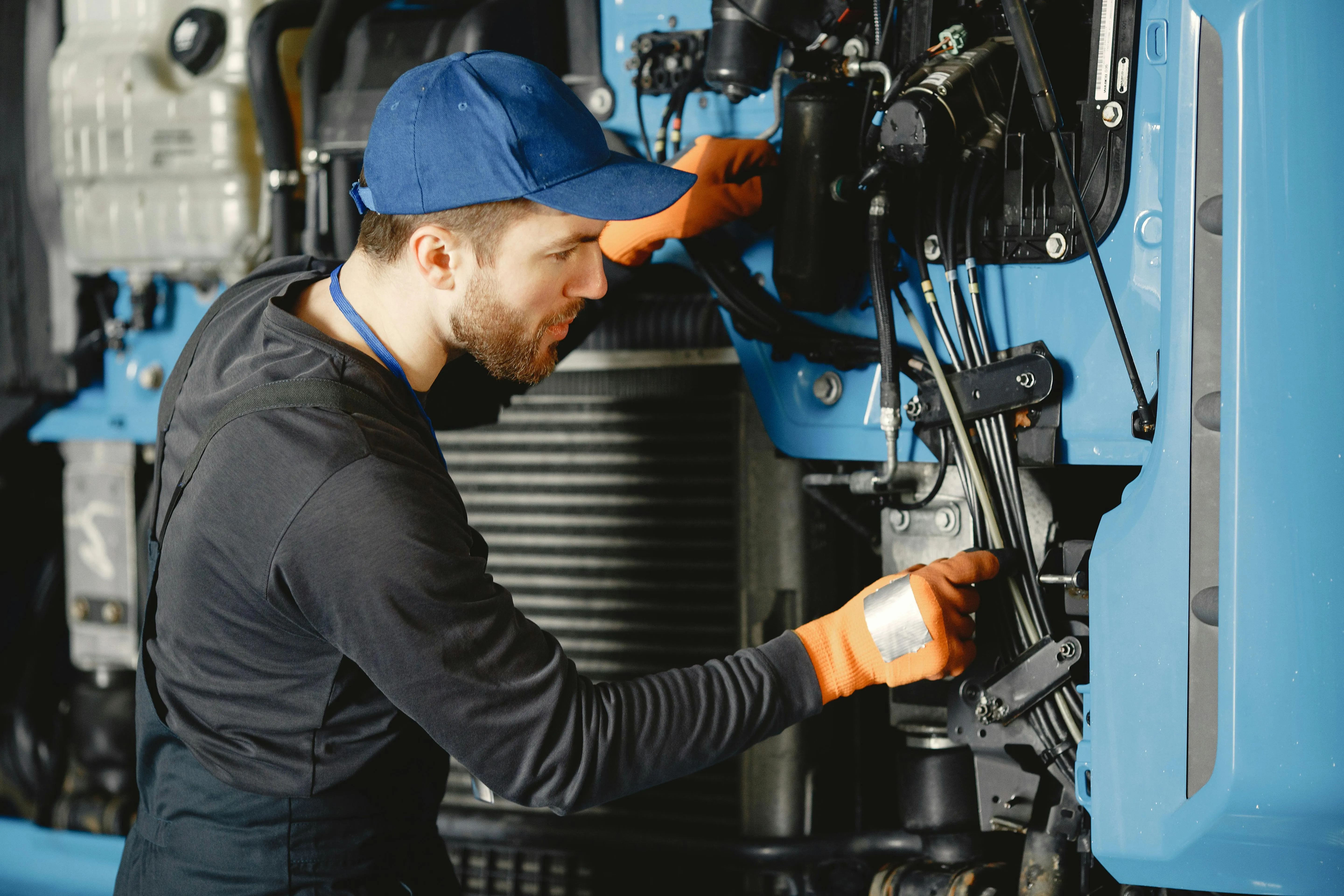
Seal degradation, rod scoring, internal corrosion, and contaminated fluid are the leading causes of hydraulic cylinder failure in heavy equipment. Early detection through visual inspection and pressure testing allows for fast, cost-effective repair before full breakdown occurs.
Hydraulic cylinder seals are designed to withstand high pressures and repeated cycles, but they degrade over time through heat, chemical attack from incompatible fluids, and normal wear. The first sign is usually a thin film of oil on the cylinder rod — this is known as rod seal weep.
Left unaddressed, seal leakage leads to pressure loss, reduced cylinder speed, and ultimately a complete loss of holding force. We manufacture and replace seals for all cylinder makes and sizes, including custom-dimensioned seals for non-standard cylinders.
Seal failure can occur for several reasons: incorrect seal material selection for the operating temperature range, excessive pressure beyond the seal's rating, or chemical incompatibility with the hydraulic fluid. Always verify seal specifications match your system requirements.
For custom seals that match exact cylinder tolerances, our <Link href="/blog/cnc-precision-hydraulic-seal-fabrication">CNC Precision Seal Fabrication</Link> service ensures optimal performance and extended service life.
The chrome-plated rod surface must remain smooth and precise to prevent seal damage and maintain a proper fluid film. Rod scoring is caused by contaminated fluid, damaged wiper seals that allow grit to enter, or external physical impact.
Lightly scored rods can be re-chromed and re-ground to original specification. Severely damaged rods may require replacement. We provide full rod inspection, re-chroming, and surface grinding services in our workshop.
Prevent rod scoring by maintaining clean hydraulic fluid, replacing wiper seals before they wear out, and installing rod protectors in environments where impact damage is likely. A small investment in protection prevents costly rod replacement.
Regular fluid analysis helps catch contamination before it causes rod damage. See our guide on <Link href="/blog/hydraulic-oil-saudi-conditions">Choosing the Right Hydraulic Oil</Link> for fluid maintenance best practices.
Particle contamination is responsible for the majority of hydraulic component failures — not just cylinders, but also pumps, valves, and motors. Contaminants can enter through inadequate sealing, improper fluid change procedures, or degraded filters.
ISO cleanliness codes should be monitored regularly. A system operating at ISO 16/14/11 or cleaner will experience dramatically lower wear rates across all components. We offer fluid sampling and analysis as part of our maintenance contracts.
Common contamination sources include dust ingress through reservoir breathers, particles introduced during fluid changes, and wear debris from failing components. Install high-efficiency breathers and use clean filling procedures to minimize contamination risk.
Implement a preventive maintenance program that includes regular fluid analysis and filter replacement. Our article on <Link href="/blog/preventive-maintenance-hydraulic-systems">Preventive Maintenance</Link> provides a comprehensive framework for system care.
Water contamination in hydraulic fluid promotes internal corrosion of cylinder bores, pistons, and rods. Water enters through condensation in vented reservoirs, seal leakage, or water-contaminated hydraulic fluid. Even small concentrations — above 0.1% — cause significant damage over time.
Internal corrosion pits the bore surface, creates leakage paths, and destroys seal integrity. The bore must be honed smooth and the cylinder reassembled with new seals, or in severe cases the barrel must be replaced.
Prevent water contamination by maintaining proper reservoir seals, using desiccant breathers in humid environments, and checking fluid condition regularly. In Saudi Arabia's climate, temperature fluctuations can cause condensation — ensure your reservoir is properly insulated and ventilated.
Consider installing water sensors in the reservoir to alert operators when water content exceeds acceptable levels. Early detection allows for fluid dehydration or replacement before corrosion damage occurs.
A hydraulic cylinder rod subjected to side loading — forces applied perpendicular to the axis of travel — can bend permanently. This causes the rod to drag against the seal and wiper, rapidly destroying them and creating a severe internal side load on the piston.
Bent rods must be straightened in a press or replaced entirely. We evaluate all incoming cylinders for rod straightness as part of every rebuild inspection.
Side loading often results from misalignment during installation, inadequate mounting structure, or external forces from the load being moved. Ensure cylinders are mounted with proper alignment guides and that the mounting structure can withstand all expected forces.
Install spherical rod ends or clevis mounts that allow for slight misalignment without transferring side loads to the rod. These components are inexpensive compared to the cost of cylinder replacement.
Cavitation occurs when pressure drops below the fluid's vapor pressure, causing bubbles to form. When these bubbles collapse under high pressure, they create microscopic jets that erode metal surfaces. Aeration occurs when air is entrained in the fluid, causing spongy operation and reduced force.
Both conditions accelerate component wear and can cause catastrophic failure if left unchecked. Common causes include insufficient reservoir fluid level, clogged intake filters, or leaks in the suction line that draw in air.
Maintain proper fluid levels, inspect suction lines for leaks, and replace intake filters on schedule. Install air bleed valves at high points in the system to remove trapped air during startup and after maintenance.
Monitor pump noise — cavitation often produces a distinctive gravelly sound that indicates immediate action is needed. Address cavitation promptly to prevent pump and cylinder damage.
The most effective approach to cylinder failure is prevention through regular inspection and maintenance. Establish a schedule for visual inspections, fluid analysis, and component testing based on operating hours and environmental conditions.
Keep detailed maintenance records for each cylinder. Track seal replacement dates, rod condition measurements, and any repairs performed. This data helps predict when components will need attention and allows for proactive scheduling.
Train operators to recognize early warning signs: unusual noises, slow operation, visible leaks, or changes in cylinder behavior. Early reporting allows for intervention before failures occur.
Consider upgrading older cylinders to modern designs with improved sealing systems and corrosion-resistant materials. The cost of upgrading is often recovered through reduced maintenance and downtime over the cylinder's service life.
Seeing signs of cylinder failure on your equipment? Send us a description or bring the cylinder to our workshop for a free inspection and repair estimate.
Get a Free Consultation

فنيون معتمدون. قطع غيار أصلية. تغطية شاملة لكافة أنحاء المملكة.
